
Top Historical Places to Visit in Pakistan
Pakistan is a land of rich history and cultural heritage, offering countless historical sites that reflect its diverse past. From ancient civilizations to Mughal grandeur and northern fortresses, history lovers and travelers alike will find something fascinating in every corner of the country. Here are some of the top historical places to visit in Pakistan.
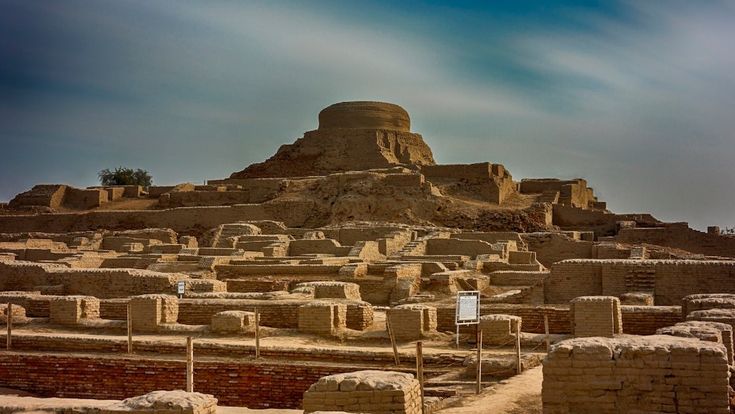
1. Mohenjo-Daro (Sindh)
One of the world’s oldest cities, Mohenjo-Daro is a UNESCO World Heritage Site and a major site of the Indus Valley Civilization. Its ruins showcase advanced urban planning, drainage systems, and fascinating artifacts from over 4,000 years ago.
2. Harappa (Punjab)
Another ancient city of the Indus Valley Civilization, Harappa offers a glimpse into early urban life in South Asia. Its ruins include granaries, streets, and pottery, giving visitors insight into one of the world’s earliest civilizations.
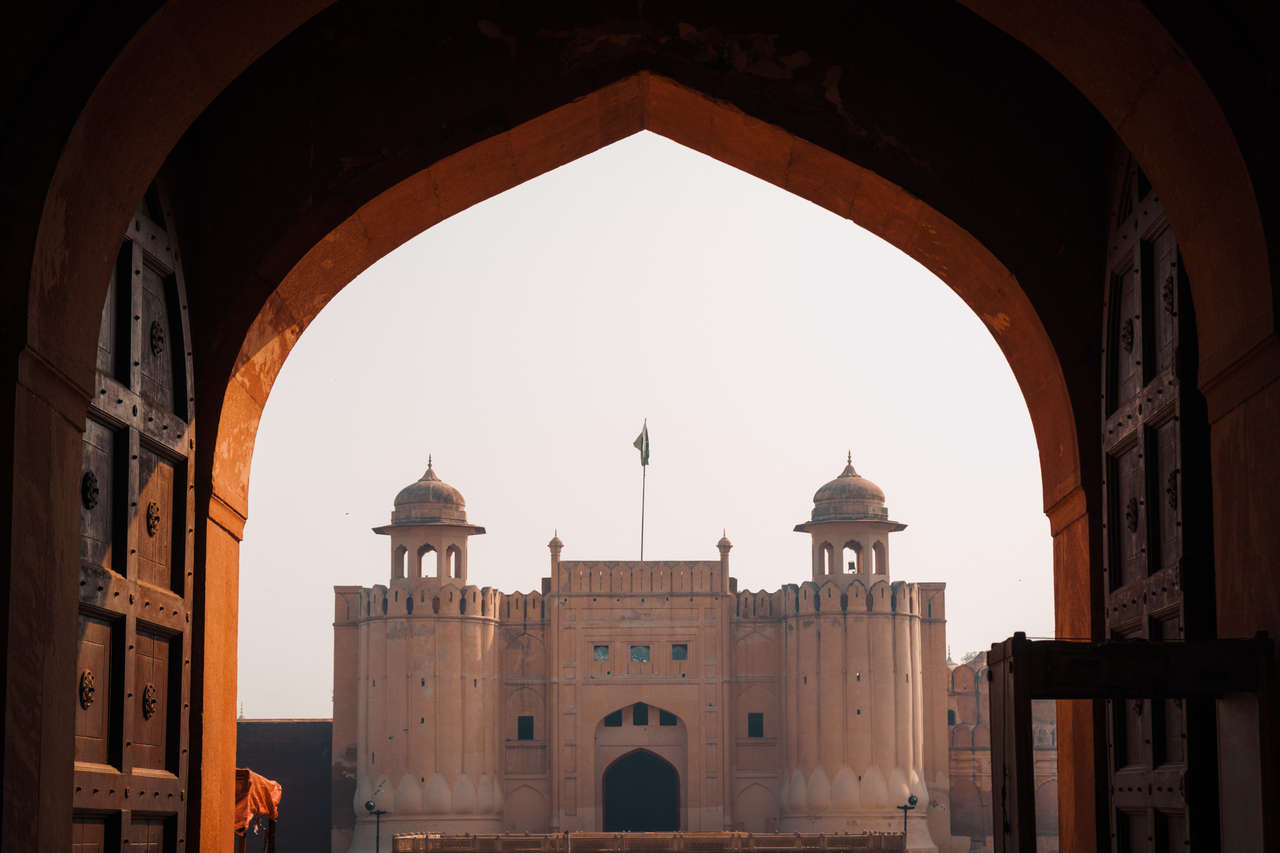
3. Lahore Fort & Shalimar Gardens (Punjab)
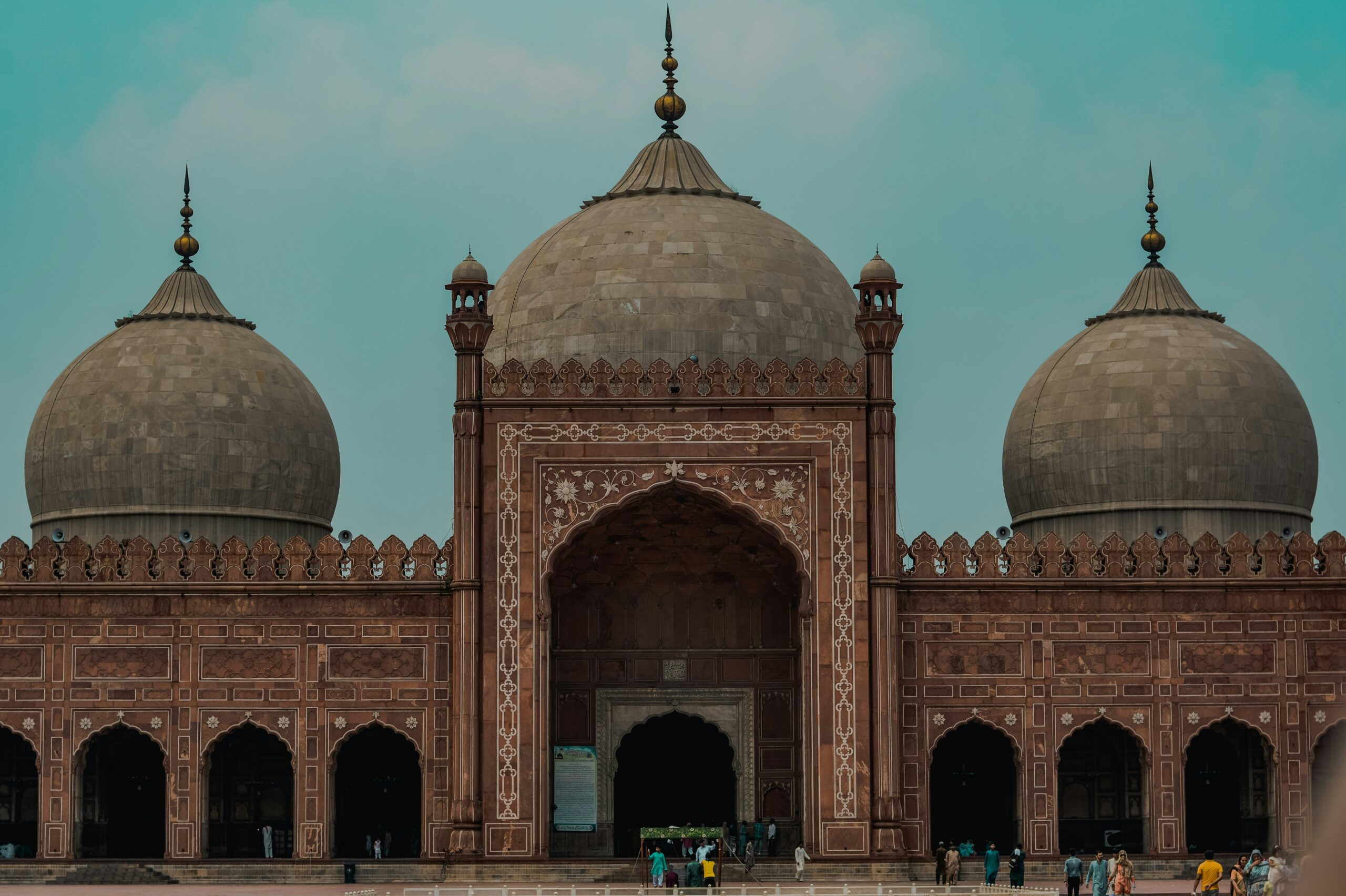
Located in Lahore, the Lahore Fort and Shalimar Gardens are masterpieces of Mughal architecture. The fort, with its majestic gates and halls, and the gardens with their symmetrical design, reflect the grandeur of the Mughal era.
4. Rohtas Fort (Punjab)
A UNESCO World Heritage Site, Rohtas Fort near Jhelum was built by Sher Shah Suri in the 16th century. Its massive walls, impressive gates, and strategic design make it a symbol of military architecture.
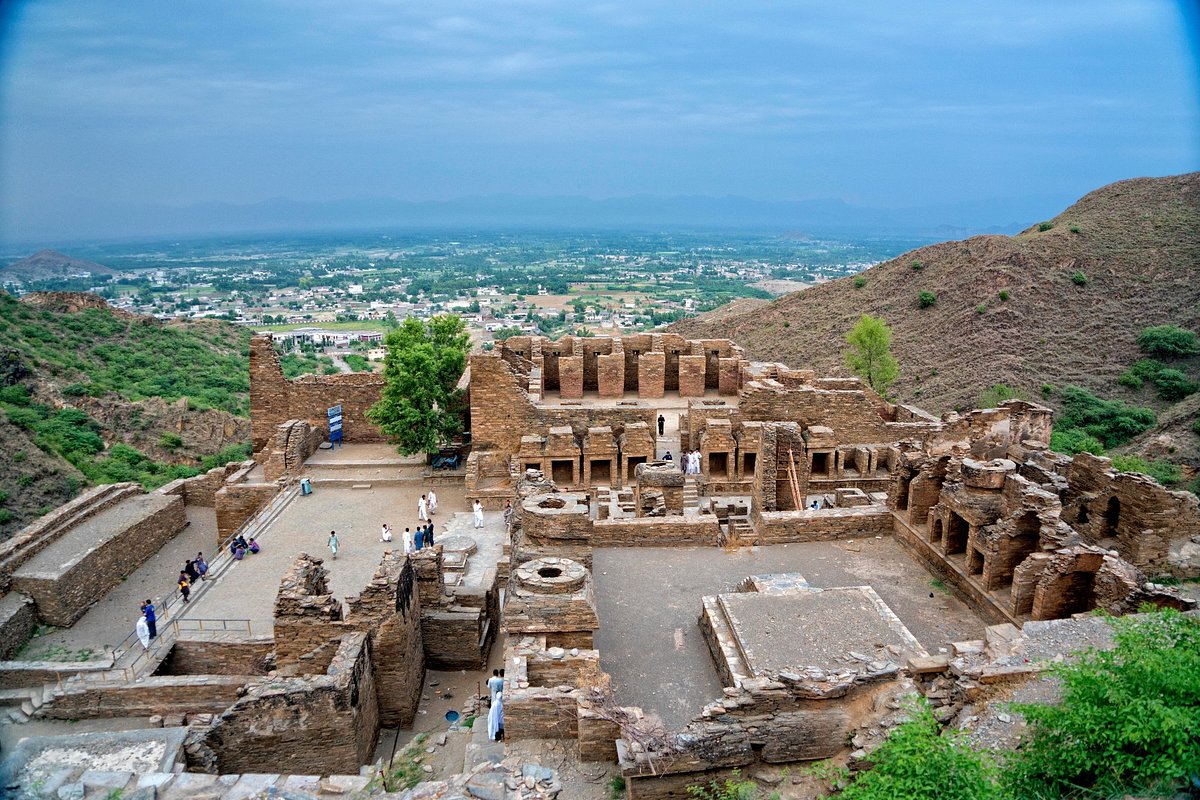
5. Taxila (Punjab)
An ancient city dating back to 1000 BCE, Taxila was an important center of Buddhism and learning. Archaeological ruins, stupas, and monasteries tell the story of one of South Asia’s most significant civilizations.
6. Makli Necropolis (Sindh)
Another UNESCO World Heritage Site, Makli Necropolis is one of the largest funerary sites in the world. It contains thousands of tombs of rulers, saints, and nobility from the 14th to 18th centuries, showcasing intricate carvings and unique architectural styles.
7. Baltit Fort (Hunza Valley, Gilgit-Baltistan)
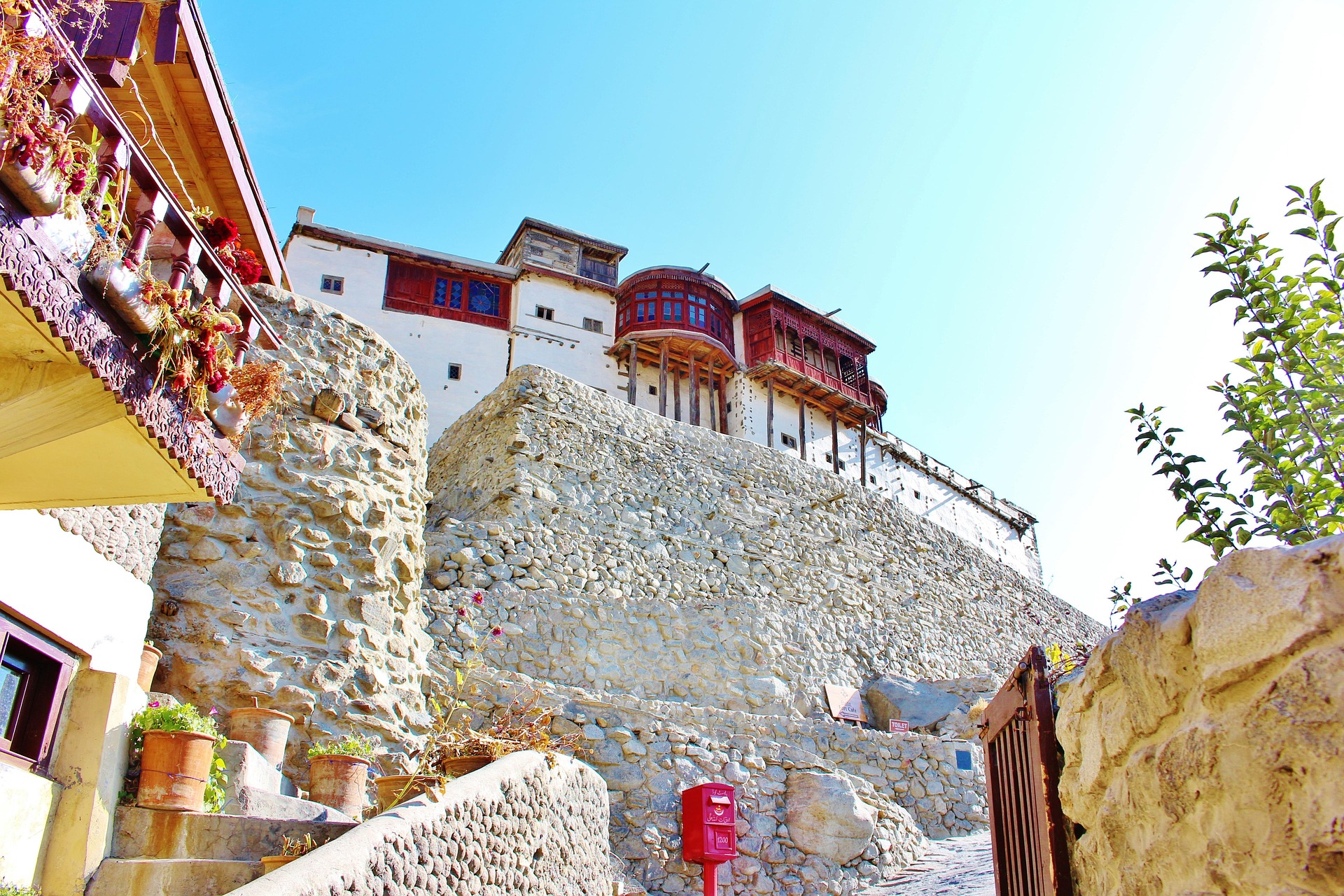
Baltit Fort is over 700 years old and sits majestically overlooking the Hunza Valley. Its traditional architecture and stunning location make it a must-visit for history enthusiasts and photographers alike.
8. Altit Fort (Hunza Valley, Gilgit-Baltistan)
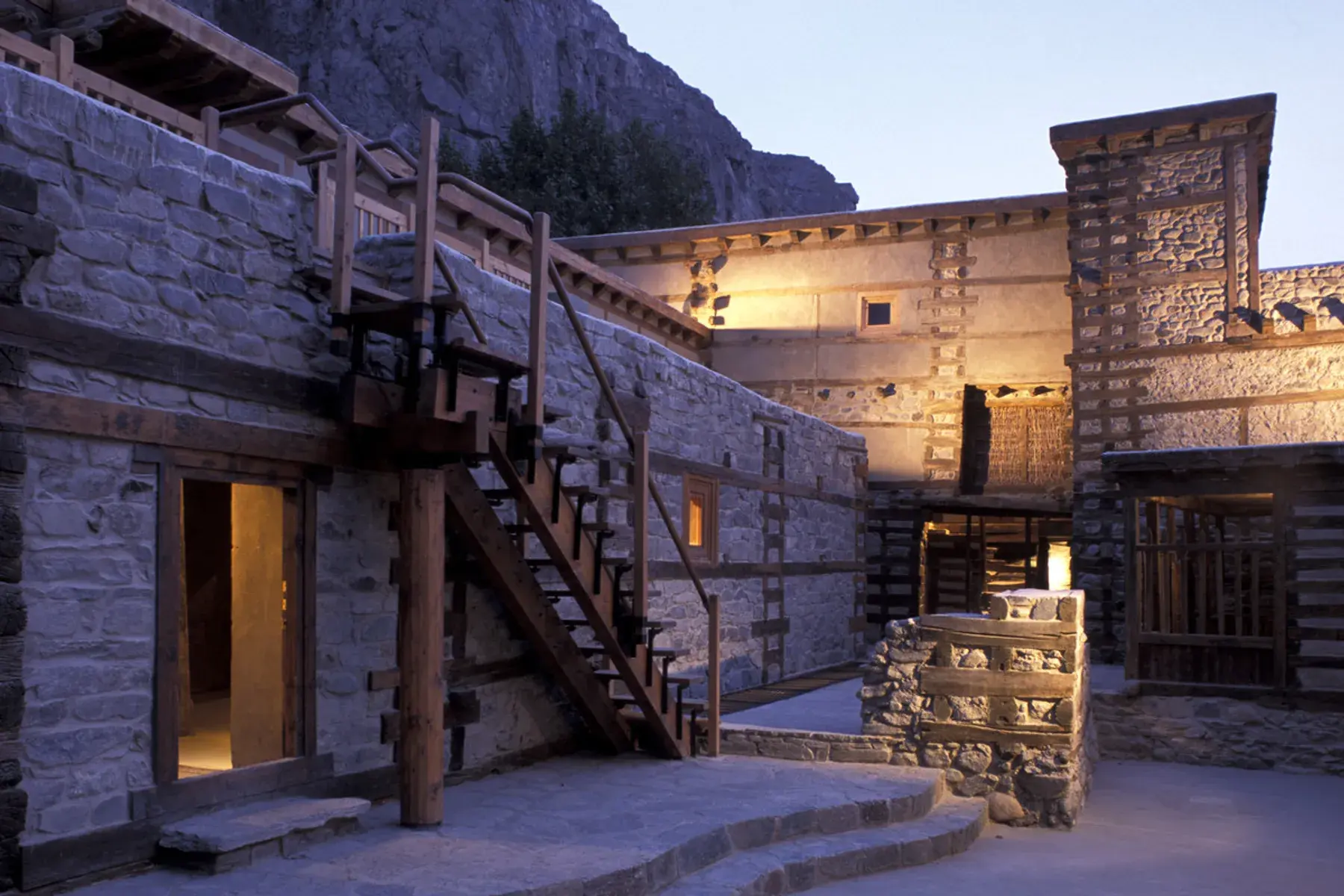
Altit Fort is even older than Baltit Fort, with over 900 years of history. Recently restored, it provides a fascinating insight into Hunza’s royal past and offers panoramic views of the valley.
9. Shigar Fort (Shigar, Gilgit-Baltistan)
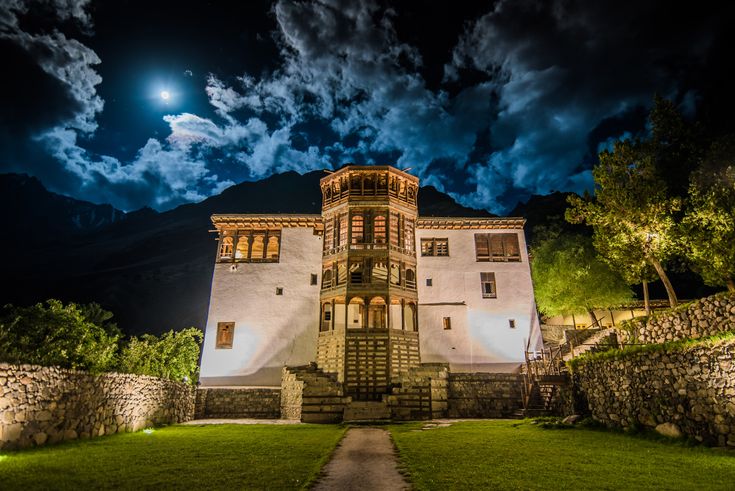
Shigar Fort is a beautifully restored palace-fort that dates back over 400 years. Surrounded by the Karakoram Mountains, it now functions as a heritage hotel and museum, giving visitors a glimpse of the region’s royal lifestyle.
10. Khaplu Fort (Khaplu, Gilgit-Baltistan)
Khaplu Fort, over 400 years old, is one of the largest and most historically significant forts in Gilgit-Baltistan. It has been carefully restored and offers insights into the architecture, culture, and history of the region.
11. Derawar Fort (Bahawalpur, Punjab)
Derawar Fort is a massive square fortress in the Cholistan Desert, known for its towering walls and impressive bastions. Built in the 9th century, it remains a striking reminder of Pakistan’s desert history.
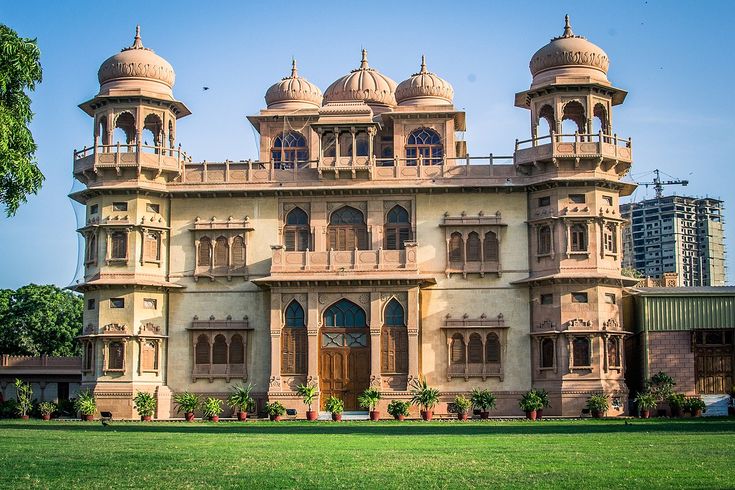
12. Mohatta Palace (Karachi, Sindh)
Mohatta Palace is an architectural gem built in the early 20th century. With its beautiful sandstone facade and cultural exhibitions, it represents the colonial-era history of Karachi.
13. Minar-e-Pakistan (Lahore, Punjab)
While more modern than other sites, Minar-e-Pakistan is historically significant as the site where the Pakistan Resolution was passed in 1940. It’s a symbol of the country’s independence movement and a popular landmark in Lahore.
Pakistan’s historical sites are not just monuments; they are windows into the country’s rich past. From ancient civilizations to majestic northern forts, each site tells a story that allows travelers to experience the grandeur, culture, and history that shaped the region.